
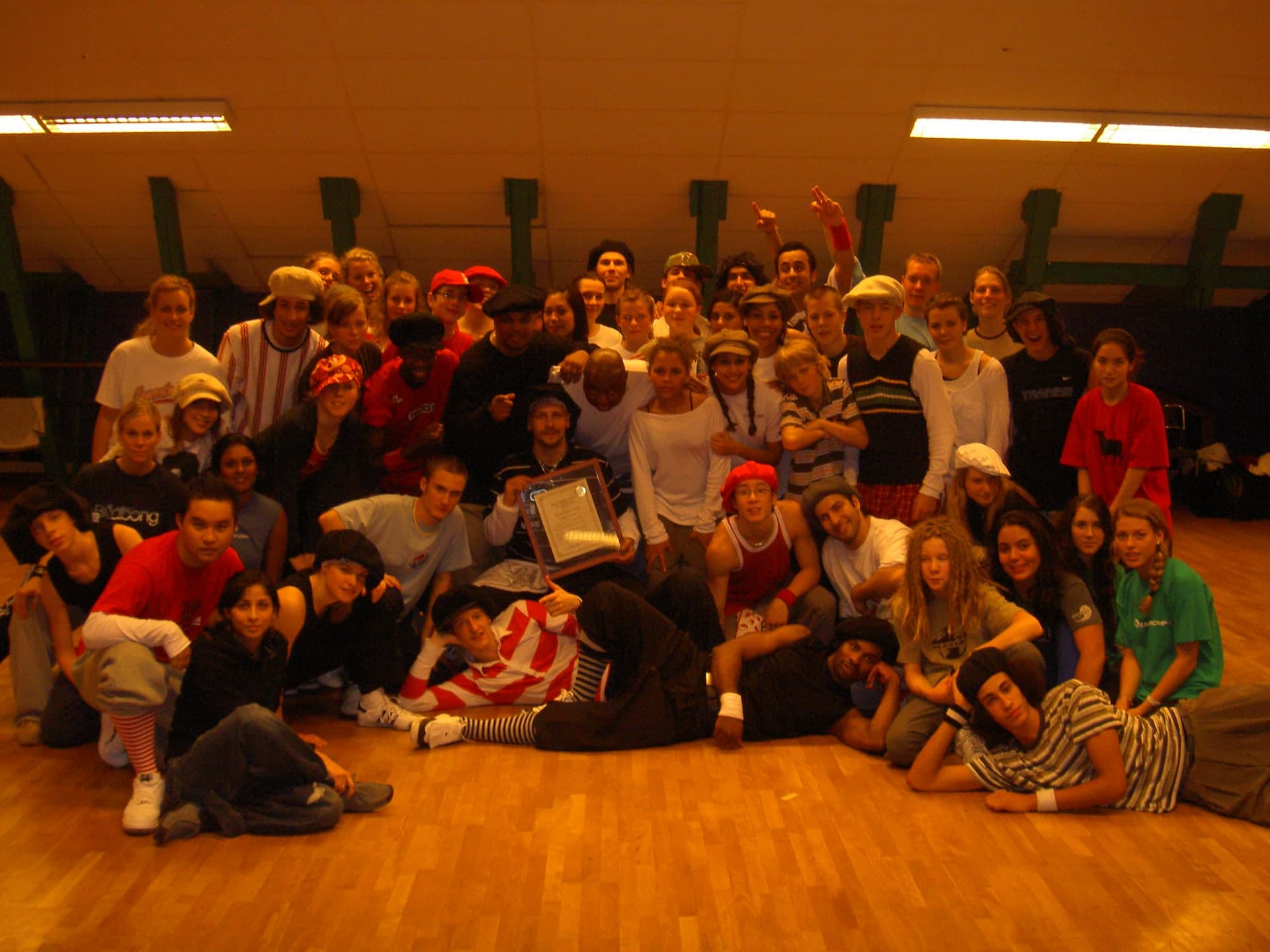
Robert “Rob-One” Wägar’s journey into Locking
My journey
My personal story of Locking, the people I have met, and the search for knowledge – from the 1980s to today.
This is my personal story of how I encountered Locking, how my interest grew into a passion, and how the search for knowledge has stayed with me through most of my life.
It is not intended as the complete history of Locking in Sweden, and certainly not as the only version of that history. This is my path: the people I have met, what I have seen, what others have told me, and the experiences that shaped my relationship with the dance.
As with every history, there are always more people, perspectives, and details to add.
The 1980s
The first images
My first encounter with what would become such a major part of my life came in the 1980s, when I was about nine years old. It is difficult to say exactly what I saw first, but I clearly remember images of dance beginning to stay with me.
One early encounter came through Swedish television and the programme Bagen, especially its dance segment Freak Out. I remember David Johnson and his sister Marie Johnson coming to Sweden and performing a number that included Locking. Much later, I would associate parts of their expression with groups such as Chain Reaction.
At the time, we also saw things without necessarily knowing their names. Even Herreys and Diggi-Loo Diggi-Ley included brief moments that resembled Locking. I could not name or analyse them then; I simply saw movements that looked cool and wanted to try them myself.
The film Breakin’ made the deepest impression. Fame, other films and television series, and later music videos also offered glimpses of Locking and other street dance styles. I did not always know what I was watching. I only knew that I was drawn to it.
Rinkeby / 1992
Hip-Hop and the beginning of something bigger
A few years later, I began dancing more seriously with 9 Degrees in Rinkeby. We danced what Gabriel called Hip-Hop. Only much later did I understand how much his movement language drew from several styles, including Locking.
Popular culture kept feeding the inspiration. Janet Jackson’s “Alright” made a strong impression, as did the Locking-influenced movement that appeared in Michael Jackson’s work and that of other artists.
In 1992 we entered the Jaffa Chill Street Dance Competition. We danced Hip-Hop, but around that time my connection with Locking became more concrete. I met Patrik Helge, aka Prime, who was already dancing Locking and knew far more about the style than most people I had met. Through him, and dancers such as Jappe and Danne, I began to understand how much lay behind the movements I had seen and tried to copy.
In clubs and dance settings I also met Be-Bop, Damon Frost, Karl Dyall, Micke Strandljung, and many others. Each opened doors and sparked curiosity in a different way. This was not today’s searchable world: information travelled through people. You had to look for it.
The 1990s
Videos, conversations, and exchanging information
Through Jappe and Danne I met Oskar “Supreme” Pitré. We shared the same passion for Locking and the same need to understand more. For several years we trained, compared material, and exchanged information.
We also got to know Emanuel “Manne” Schütt, who had a strong grasp of the foundations and access to a great deal of video material. Joe Jobe and Karim Carlsson were others around us with a deep interest in Locking. It became a network long before social media existed.
Someone had found a VHS tape; someone else had seen a dancer at an event, heard a name, learned a step, or been told a story. We met, trained, and tried to assemble the pieces. Footage of The Lockers, Don Campbell, Suga Pop, Skeeter Rabbit, and others suddenly gave familiar-looking movements names, people, and a history.
Dancers outside Sweden also mattered greatly: the Danish dancers Thomas, Stene, and Lock-Smith, as well as Delroy Fogo and Anthony Edwards. Bringing Jimmy Williams to Sweden was another powerful and inspiring encounter. The entire decade became a long search for knowledge. The more I learned, the clearer it became how much I still did not know.
Rinkeby / the 1990s–2002
A collective, training, and more VHS tapes
During the 1990s, I spent time with two b-boys in Rinkeby, Carlito and Elvis, aka Jam-One. From around 1999 to 2002, we also lived together in a collective. Both were inspiring to train with, even though I was not a b-boy myself.
Elvis travelled a lot and had a large collection of VHS tapes that we watched together. The footage gave me even more inspiration for my Locking: dancers including Stene, Lock-Smith, Warren, and Anthony, as well as several French dancers, among them Junior Almeida and Mohamed from Vagabond Crew.
Early 2000s
Funktastics, Funkademics, and a growing scene
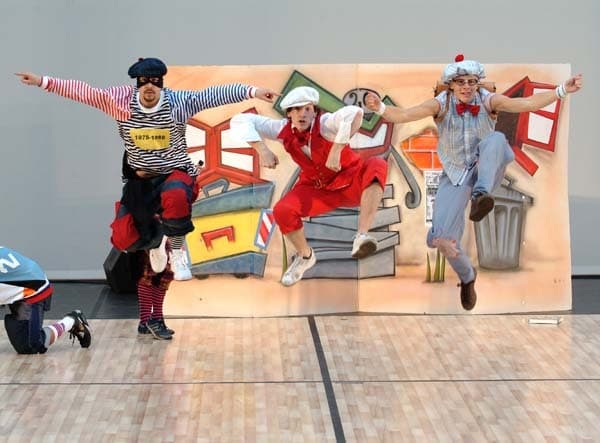
In the early 2000s we formed Funktastics, which later became Funkademics. The group included me, Manne, Oskar, Charlie, Patrik, Isse, Karim, and Lil-Putte, among others.
We trained, performed, taught, travelled, and above all continued searching for deeper knowledge of Locking. During this period, contact with the dance’s origins began to feel much closer. We made contact with Don Campbell himself.
2004
Los Angeles changed my perspective
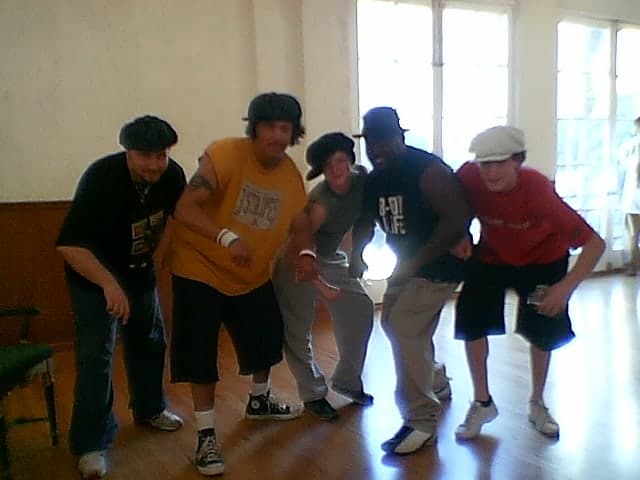
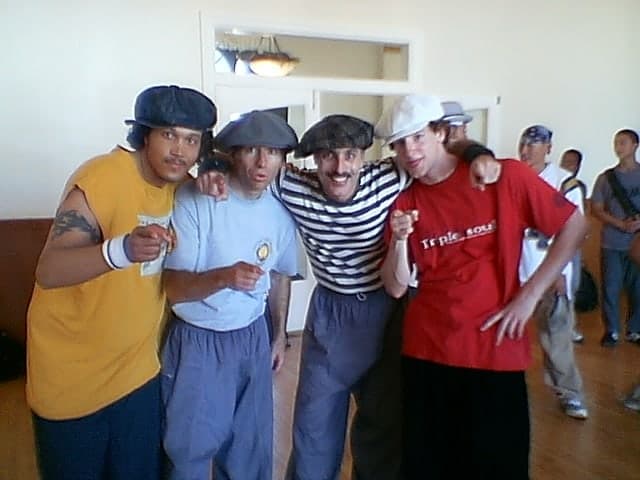
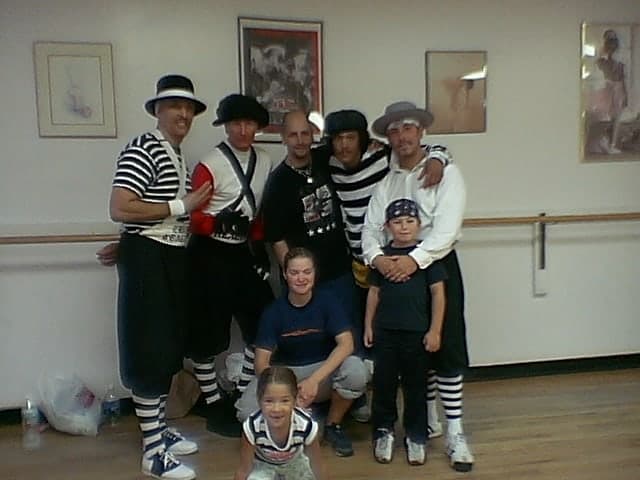
In 2004 we travelled to Los Angeles. We took a class with Don Campbell, the creator of Campbellocking, and encountered in person a reality we had previously known mainly through videotapes, stories, and fragments of information.
Through a contact Charlie had made, we also took a class with Chain Reaction, including T-Bopper and Cool Pockets. We met Flo-Master and Sundance and watched Tash, Jimmy Soul, P-Lock, Loose Caboose, Frank Ejara, and many others dance in the circles.
Most powerful of all was standing in the same room as the people behind so much of the history we had tried to understand. A panel included Don Campbell, Greg “Campbellock Jr.” Pope, O.G. Skeeter Rabbit, Tony GoGo, and Tony’s sons. They were no longer names on a VHS tape, but people in front of us with their own voices, stories, personalities, and different perspectives on the same culture. Something changed for me there.
2004–2006
Home from LA — back to the foundations
We returned from Los Angeles deeply inspired and spent even more time on Original Style Locking: the foundations, the music, the feeling, and the history behind the movements. It was no longer enough merely to perform the steps. I wanted to understand why they looked the way they did, who they came from, and the context in which they had grown.
2005
FunkCamp is born
In 2005 Greg “Campbellock Jr.” Pope and O.G. Skeeter Rabbit came to Sweden for the first time. We could learn directly from two people who had lived the culture and taken part in its history. It was also the year I founded FunkCamp.
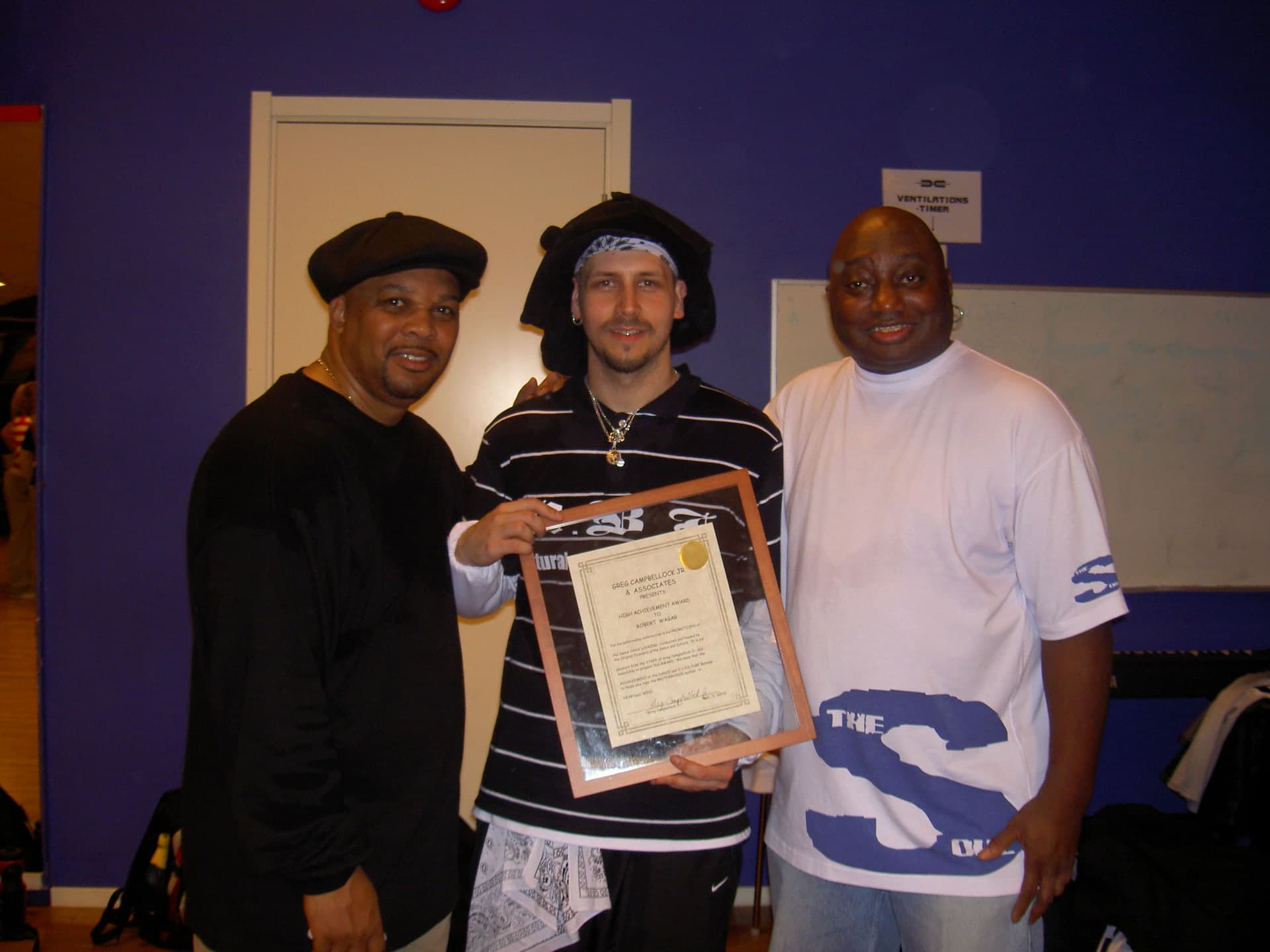
The idea was simple: if we wanted to understand Locking for real, we needed to meet the people who had lived it, danced it, developed it, and carried its history forward. We had met Don Campbell in Los Angeles the year before, and several people had also recommended that we learn from Greg and Skeeter.
For me, FunkCamp was never only a dance camp. It became a place for passing on knowledge. Classes were central, but so were conversations, stories, music, jams, and the time between classes. Sitting down with people and hearing their account of events created an entirely different understanding from copying movements from a video.
2004–2006
Funky 4 Brothers and a new generation
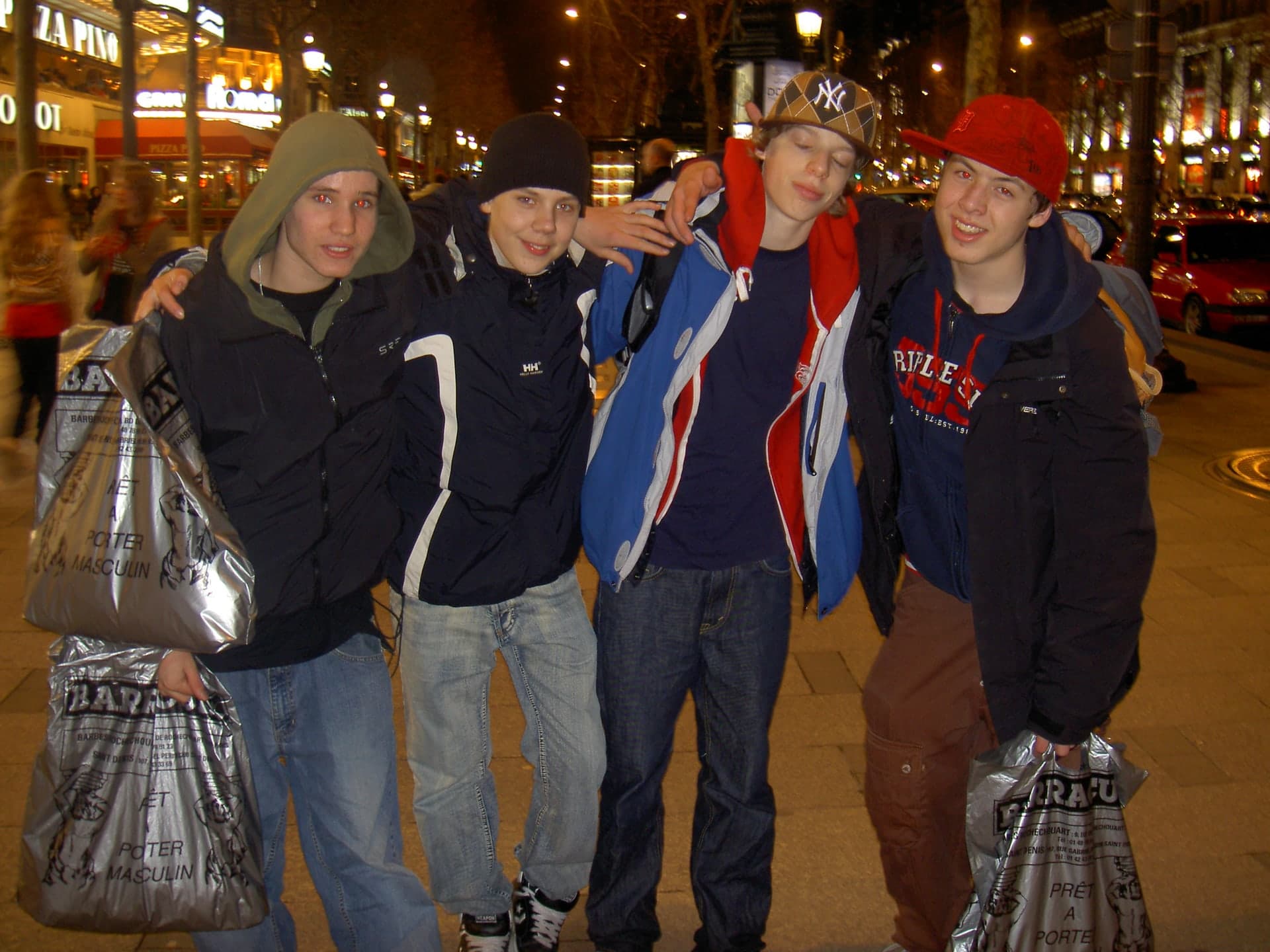
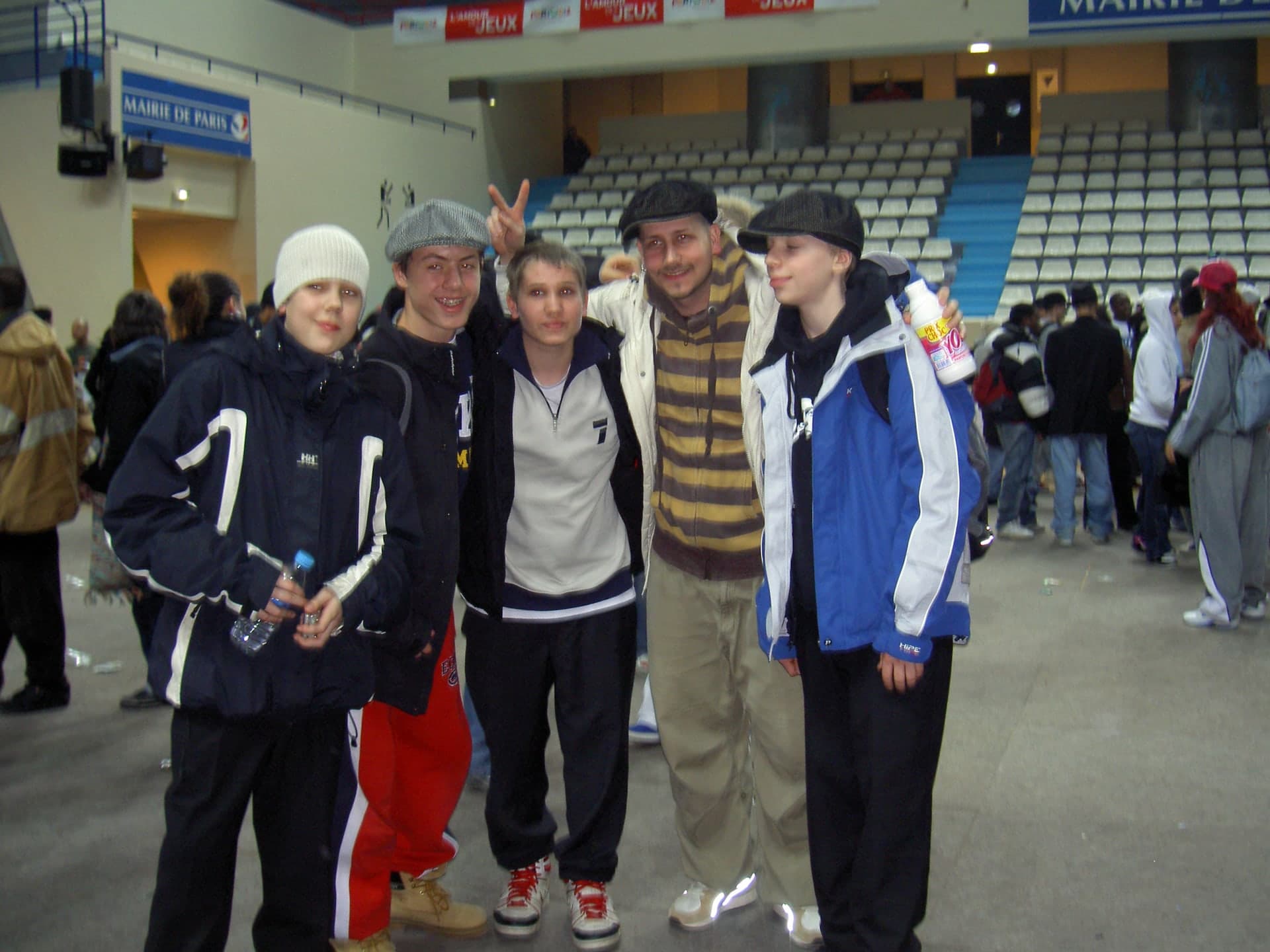
At the same time, around 2004–2005, a new generation emerged in Sweden. Four young dancers formed Funky 4 Brothers: Alexander “A-Train” Dam, William Bois, Markus B. Almqvist, and Joel Mäki. They were young, hungry, and passionate about Locking, bringing new energy to the Swedish scene.
We travelled to Juste Debout in Paris in 2006, among other places, and it became clear that Swedish Locking was developing a new momentum and a stronger connection with the world beyond Sweden. Funky 4 Brothers made a major impact both at home and internationally.
2005–2027
Twenty years of FunkCamp
Between 2005 and 2025 I organised FunkCamp with a long list of guests from Sweden and around the world, including Greg Campbellock Jr. Pope, O.G. Skeeter Rabbit, Tony GoGo, Loose Caboose, P-Lock, Willow Evann, Anthony Edwards, Damon Frost, Patrik “Prime” Helge, A-Train, Arvidos, Lock-Smith, Samantha Haynes, Yared Cederlund, Markus B. Almqvist, and William Bois.
One person deserves special mention: Emanuel “Funky Asparagus” Schütt. He has been part of every camp and is like my right-hand man. Over the years, he has both shared his knowledge and helped with everything behind the scenes.
In my eyes, Manne is one of Sweden’s greatest lockers of all time. No one represents the style with greater precision. If you want to learn Locking, Manne is the one to turn to.
What began as a way to bring knowledge closer to the Swedish scene grew into a meeting place for generations of lockers. The 2025 edition marked twenty years of FunkCamp. It was the largest edition yet and was intended as a conclusion.
But sometimes you are not finished simply because you say you are. FunkCamp returns in 2027, and the next chapter will include Khan from Korea.
2010–2011
Back to the United States
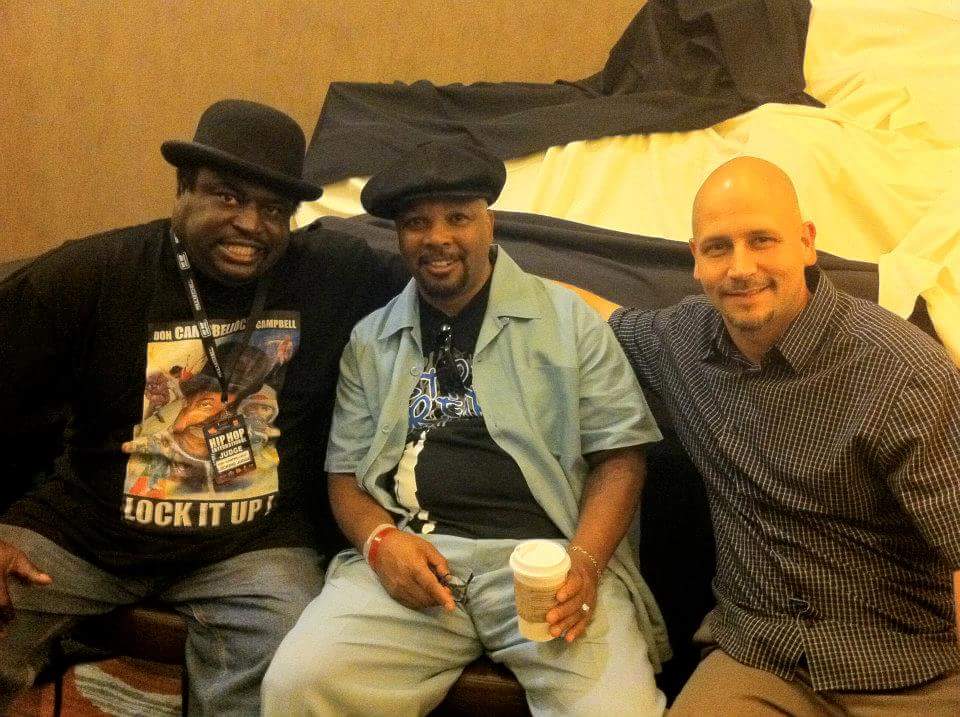
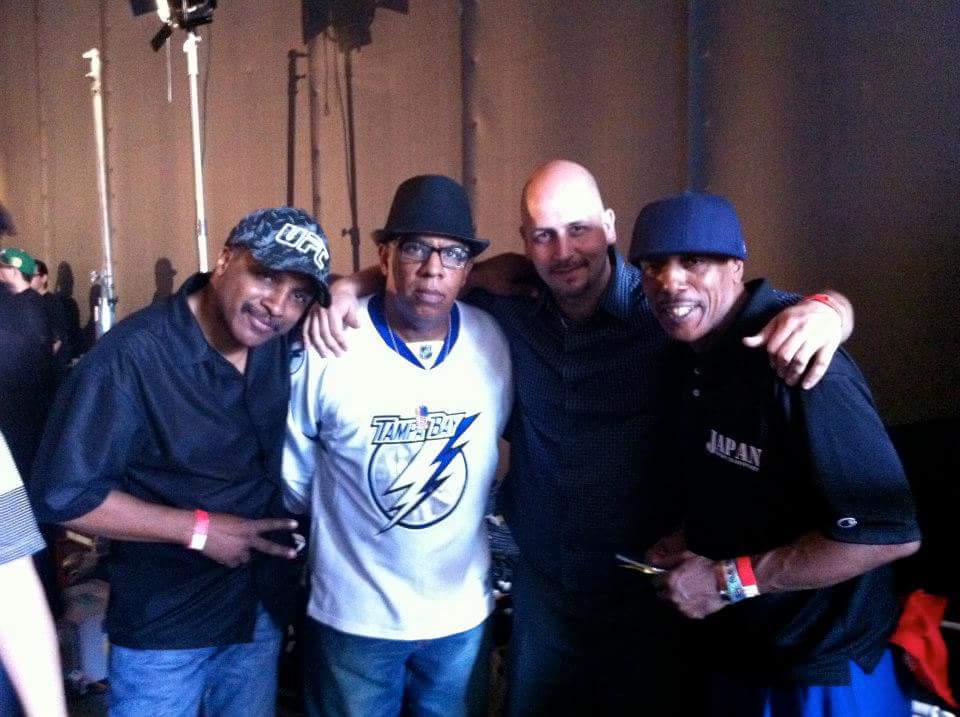
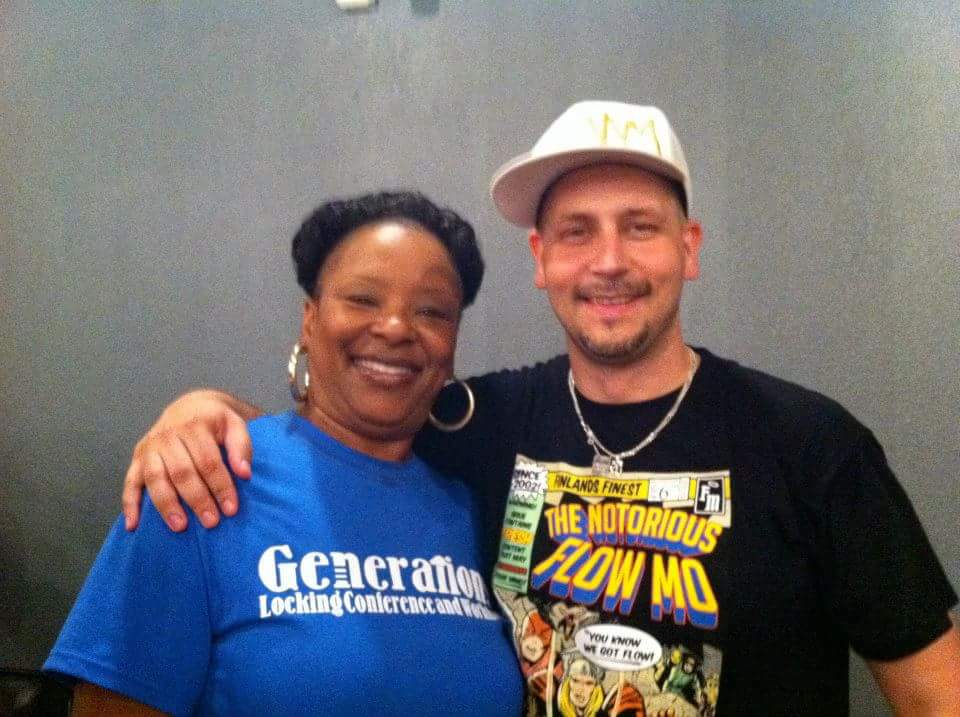
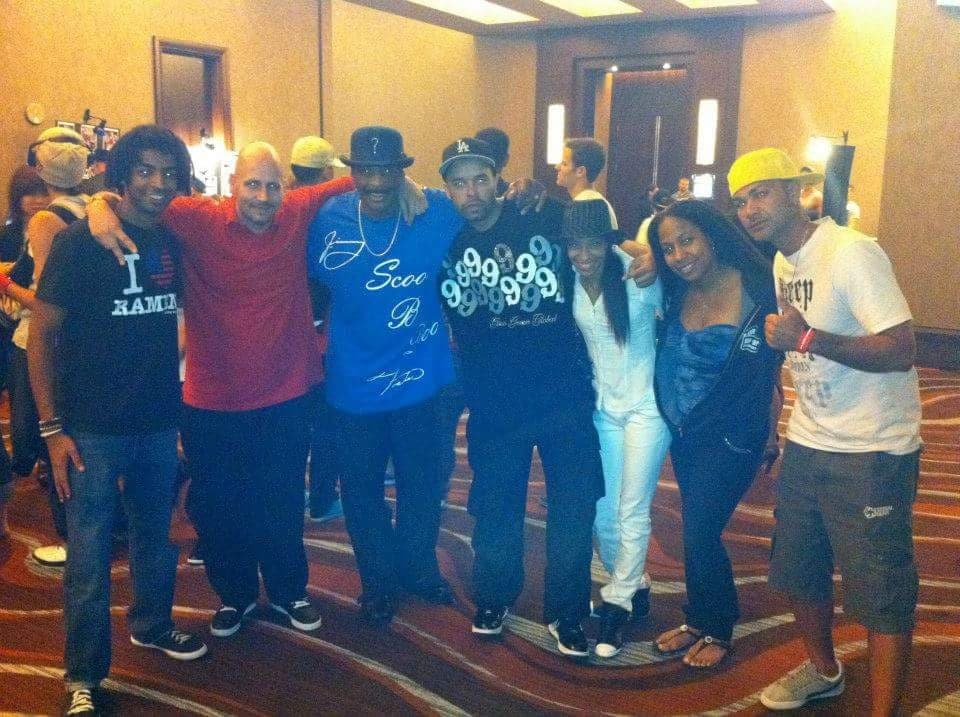
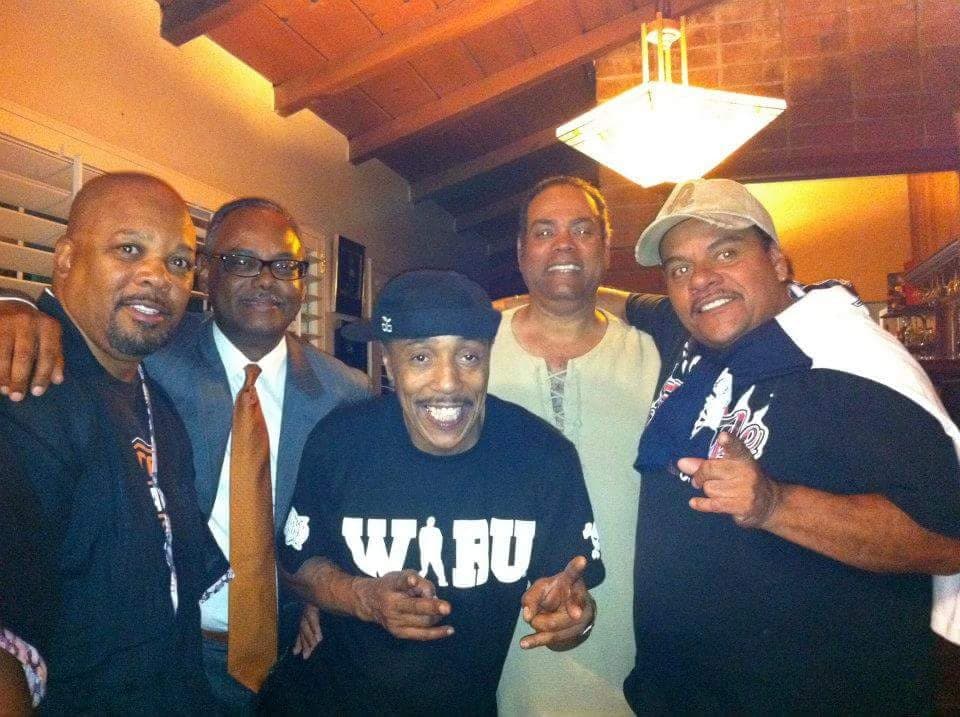
In 2010 and 2011 I returned to the United States and came even closer to the people and stories behind Locking. During parts of the trips I stayed with O.G. Skeeter Rabbit.
I travelled between New York, Philadelphia, Los Angeles, and Las Vegas, visiting events including Generations, On The One, and Hip Hop International. I met Alpha, Deputy, Captain Crunch, Sinbad, Peek-a-Boo, Arnetta Johnson, Damita Jo, Scooby Doo, Big D, Tony GoGo, Buddy GoGo, Loose Caboose, Buddha Stretch, and Jazzy Jay, along with Richie Rich, Gemini, Scramble Lock, Nathan Washington, Gruva, Moncell Durden, and The Hood Lockers in Philadelphia.
Hearing so many stories directly from the people themselves meant a great deal. They did not all tell the same story or share the same opinions, and I do not necessarily agree with every interpretation or message I have heard. But that, too, is part of learning. History is rarely one straight narrative. Listening to different experiences, seeing people dance, and understanding where their perspectives came from opened my eyes. I have carried something with me from almost every encounter.

Teaching
Passing the knowledge forward
Alongside the journeys, groups, and FunkCamp, teaching has always been a major part of my life. I have taught Locking, Hip-Hop, and Streetdance at schools and programmes in Sweden and abroad, including Danshögskolan/DOCH, Danscenter Stockholm, Balettakademien, Fryshuset, and House of Shapes.
I have also served as a judge and organized events in both Hip-Hop and Locking. In 2007 I received the Original Style Locking Master Student distinction, and in 2015 the Original Lockers Master Award. That same year, I received an Ace Deuce hat and became part of the GoGo Brothers family.
I do not see such recognition as proof that learning is complete — quite the opposite. The longer I have been involved, the more convinced I have become that you never finish learning a culture built on people, music, experience, and continuous development.
Today
Generations carrying the culture forward
Since FunkCamp began, new generations have continued carrying Locking forward in Sweden. Funky 4 Brothers made an enormous impact and became important to what followed. Later, Arvidos, Yared, Akira, Jörgen, Mimmi, and many others continued building the scene. Today there are even more.
That is exactly how it should be. Every generation must find its own expression and relationship with the dance. At the same time, the connection with the music, the people, and the history must not disappear.
You do not have to dance exactly as someone did in 1973. But you should at least know why the dance looks the way it does, who created it, and the culture it comes from. Educate before you recreate.
Knowledge / Stories / Respect
People who have meant a great deal
Over the years I have met an incredible number of dancers in Sweden and abroad who shared their passion, knowledge, and stories. Many encouraged me to keep searching, question what I thought I knew, and broaden my understanding.
Much of the historical knowledge I carry today comes from conversations, teaching, and time spent especially with Greg “Campbellock Jr.” Pope, O.G. Skeeter Rabbit, and Tony GoGo. They deserve clear recognition for what they shared about the culture, its people, and the era of which they were part.
A special shout out also goes to Damon Frost, Patrik “Prime” Helge, and the entire Funkademics crew — and to everyone who trained, travelled, talked, argued, shared a videotape, showed a step, told a story, danced in a circle, or simply kept the funk alive. You are part of the story.
Looking ahead / To be continued
The story continues
After all these years, I still feel what I felt when I began searching for more information in the 1990s: there is always more to learn.
Locking has been part of my life since childhood and has given me friends, journeys, experiences, and encounters I could never have imagined when I first saw the dance on a television screen in Sweden.
This is my story as I remember it today. I have certainly forgotten names, years, events, or people who should have been mentioned. If you are one of them, I apologise — I never intend to write anyone out of history.
Please get in touch if something is missing, needs correcting, or if you have material and stories to contribute. Locking.se can and should continue to be updated.
More knowledge. More respect. More love and soul.
Keep on keepin’ on.
Educate before you Recreate.
/ Robert “Rob-One” Wägar