
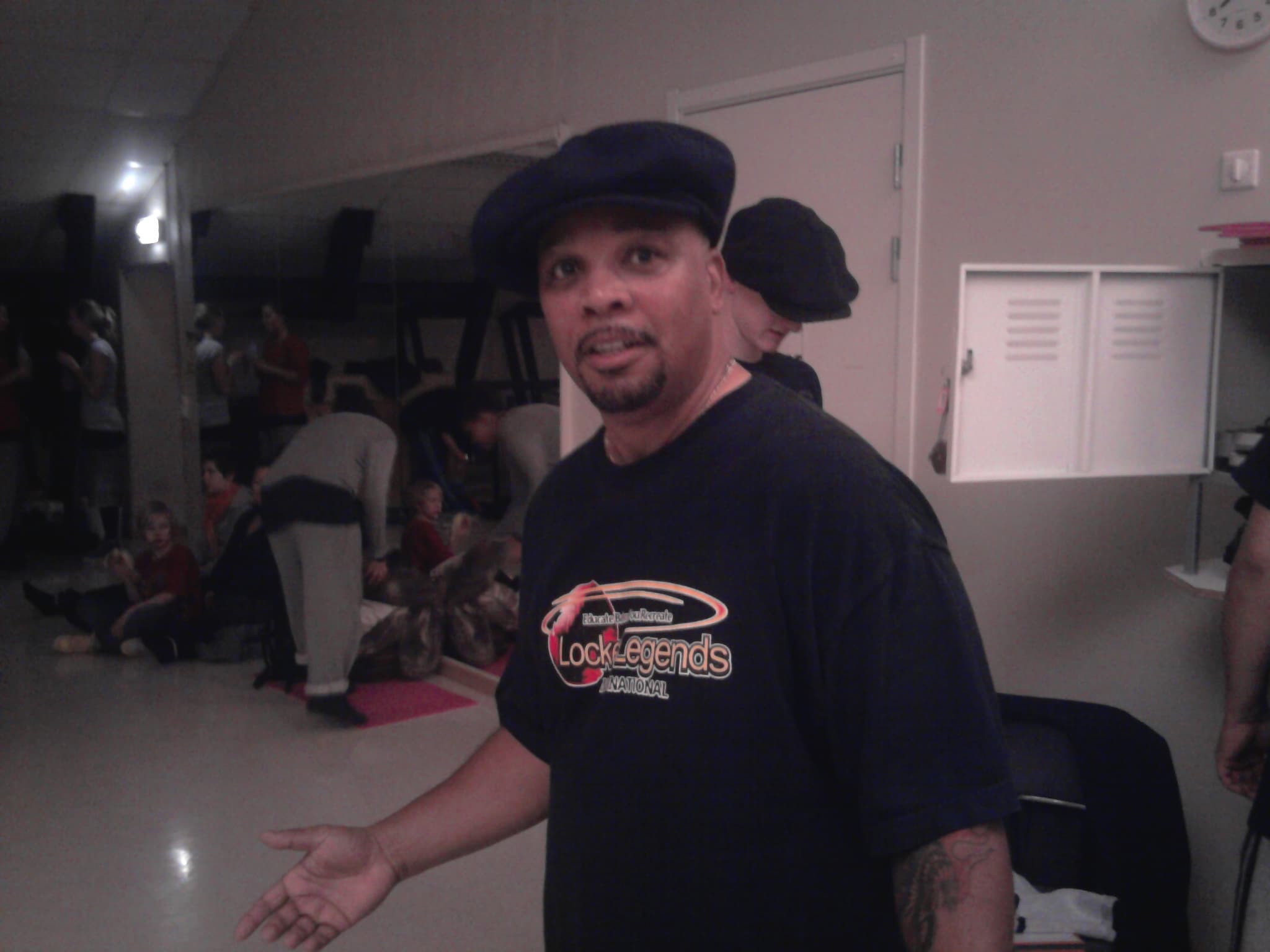
OG Skeeter Rabbit · Pioneer · Mentor · History keeper
The Legacy Keeper
James “OG Skeeter Rabbit” Higgins — the dancer, mentor and voice who made sure more of Locking’s people and stories would be remembered.
James “OG Skeeter Rabbit” Higgins is a pioneer from Locking’s original era, but his importance reaches beyond what he danced himself. As a mentor, teacher and driving force behind LockerLegends, he has spent decades preserving the people, contexts and stories surrounding the dance.
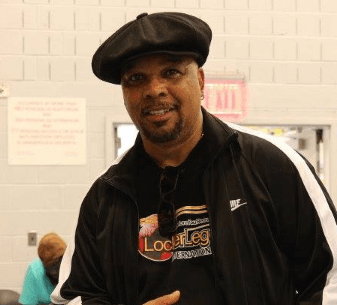
Pioneer / Mentor / History keeper
Some people build their legacy by making sure their own name is remembered. Others build it by making sure no one else is forgotten.
A mentor to many
Skeeter is more than one of the pioneers of Locking. He has been a source of knowledge for many and has worked to keep other people’s histories alive. His importance reaches far beyond any one person’s story.
The dancer
Before the historian, there was the dancer
James Higgins was an early Soul Train dancer and a member of several important groups from Locking’s formative years: the Original Go-Go Brothers, Creative Generation at the Watts Writers Workshop and later the Ghetto Dancers. Both Don Campbell and Greg “Campbellock Jr.” Pope have confirmed that he stood in for Slim the Robot with The Lockers on the 1974 Frank Sinatra tour. He later helped organize and toured with 33RPM.
He does not document this history from the outside. He stood in the clubs, schoolyards and rehearsal spaces while the dance was still developing. His name also lives in the Skeeter Rabbit step, which he created and developed in several variations.
Don also told me directly about Skeeter as a younger locker with a fearless, wild energy. On one occasion, Skeeter jumped onto the propeller of a ceiling fan and then landed in a butt drop on the dance floor. As Don put it: “He just always had this crazy energy.”
Tony GoGo and Loose Caboose have also called him “The General” — a name that reflects how naturally he could take command and make call-outs while they danced.
Origin and community
A founder — and a whole community
One of the central ideas in Skeeter’s work is that two truths can stand together. Don Campbell deserves full recognition as the creator of Campbellocking. At the same time, the dance grew through a wider community that exchanged steps, built groups, created routines and shaped the culture collectively.
Recognizing Scooby Doo, Greg Pope, Tony and Buddy GoGo, Alpha Anderson, Fluky Luke, Charles Robot, Netta Bug and many others takes nothing away from Don. It makes the history larger, more human and more precise.
Educate B4U Recreate
An archive built by those who were there
The work that became LockerLegends took shape around 2003. Skeeter has always described it as a collective project, drawing on knowledge from Greg Campbellock Jr. Pope, Tony GoGo, Steve Crane, Greg Dandridge, Guy Evans, Arnetta Johnson, Fluky Luke, Tito Collins, Peek-a-Boo and many others.
At the time, little was widely understood about the years before The Lockers became commercially famous, particularly outside Los Angeles. LockerLegends helped shift the question from “Who became famous?” to “Who was actually there?” Those questions do not always have the same answer.
Names / Faces / Context
Giving overlooked people their place
LockerLegends repeatedly brought attention to dancers whose stories had received less recognition than they deserved: Jimmy “Scooby Doo” Foster, Alpha Omega Anderson, Pat Davis, Netta Bug, Freddie Maxie, Buddy GoGo, Guy “Shocklock” Evans, Charles Robot, Tito Collins and many more.
For later generations, especially outside Los Angeles, this was invaluable. Before today’s constant access to interviews, podcasts and video, LockerLegends was one of the places where the names behind the dance became people — with faces, relationships, groups, contributions and stories of their own.
Perspective
History is not always comfortable
Preserving culture does not only mean celebrating it. Sometimes it means disagreeing, asking uncomfortable questions and making visible what does not fit the simplest or most marketable version of the story.
LockerLegends carries Skeeter’s and other pioneers’ perspectives on terminology, origins, African American cultural heritage, commercialization and participation across different eras. You do not have to accept every interpretation to recognize the value of documenting firsthand voices and placing them in conversation with other sources.
The teacher
The man behind the archive
The desire to teach began long before the website. Steve “Sugarfoot” Natorio remembers travelling into South Central Los Angeles with Tony “Crackerjack” Pierce as young dancers, knocking on Skeeter’s door and asking him to come outside and teach. They learned not only steps, but the culture and background around them.
Actor Ken Sagoes describes Skeeter taking time for young performers after shows as early as 1974 and later becoming like a big brother to him. LockerLegends did not create Skeeter’s desire to share knowledge — the internet simply allowed him to continue that work with a much larger circle.
Personal
My mentor
Skeeter did not simply tell me about the pioneers. He connected me to them. He introduced me to Greg Campbellock Jr. Pope, who also became a defining mentor in my life, and through Skeeter I built relationships with people I had previously known only as names from dance history.
Once you speak to people who were actually there, history stops being a list of dates and famous names. You begin to understand friendships, disagreements, neighborhoods, music, who learned from whom and how many people it took to create what later generations inherited. That way of seeing Locking is one of the main reasons this website exists.
Encounters / Knowledge / Community
Photographs
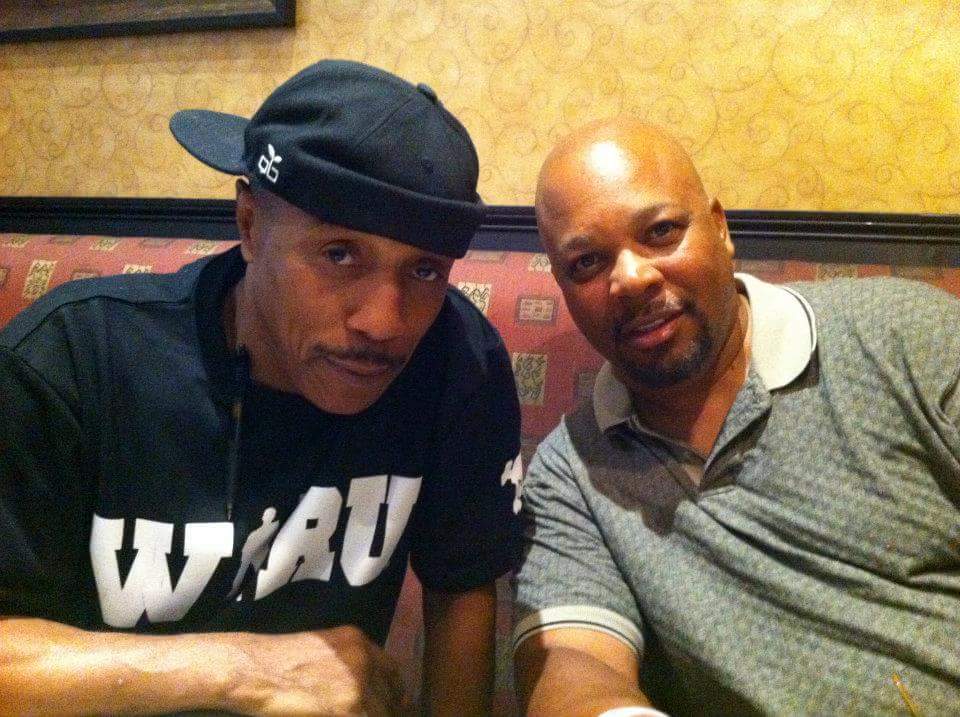
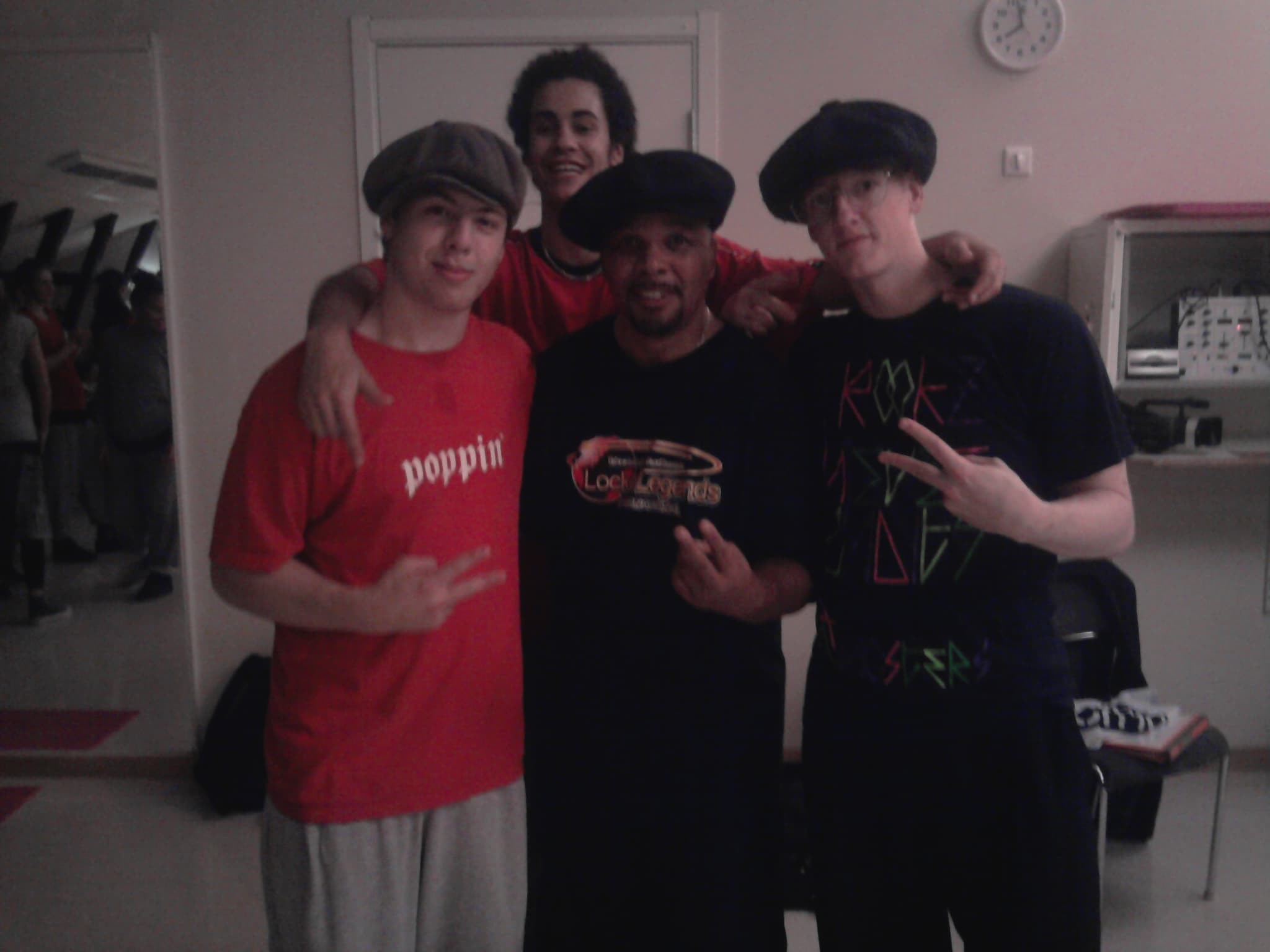
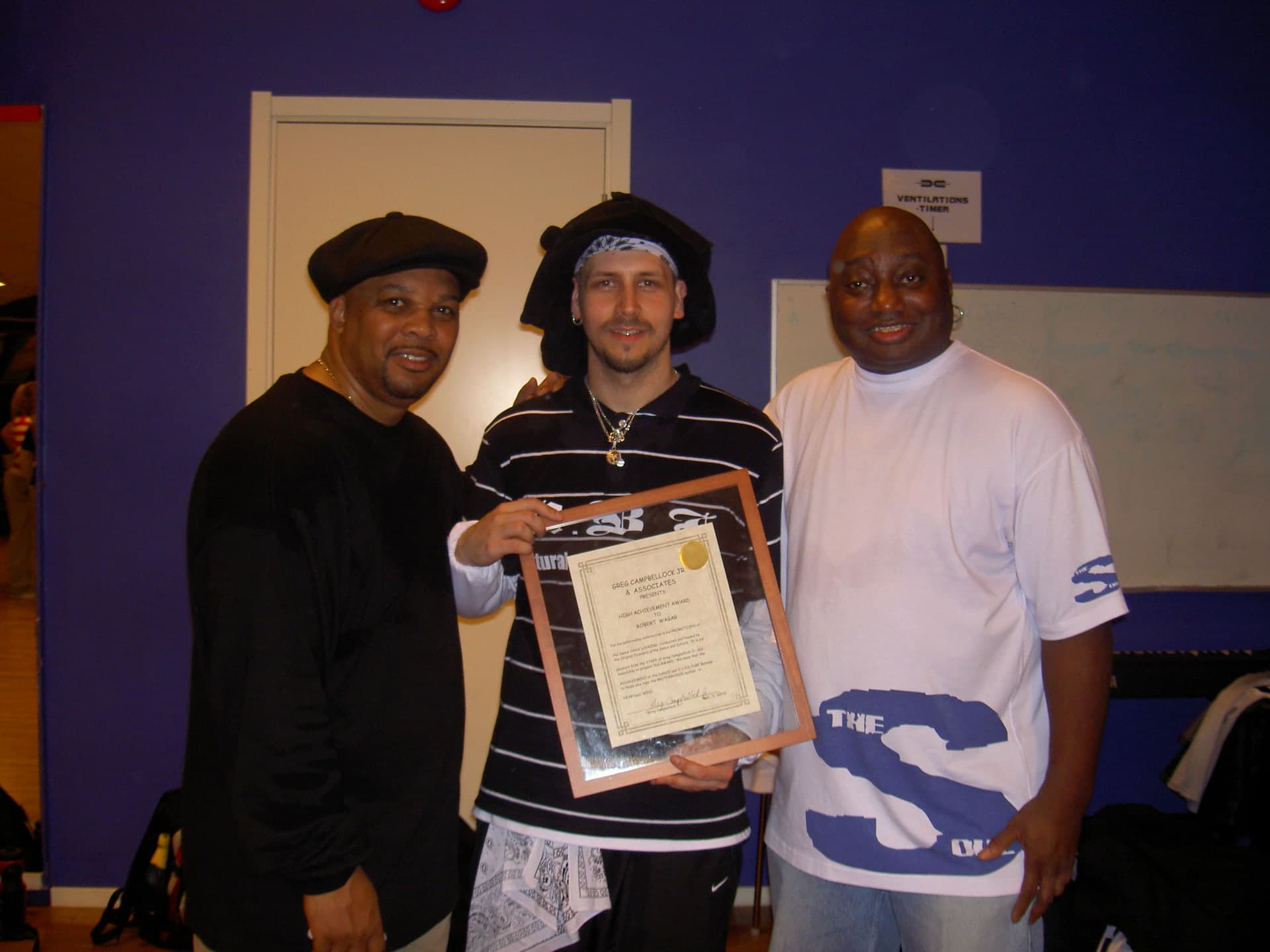
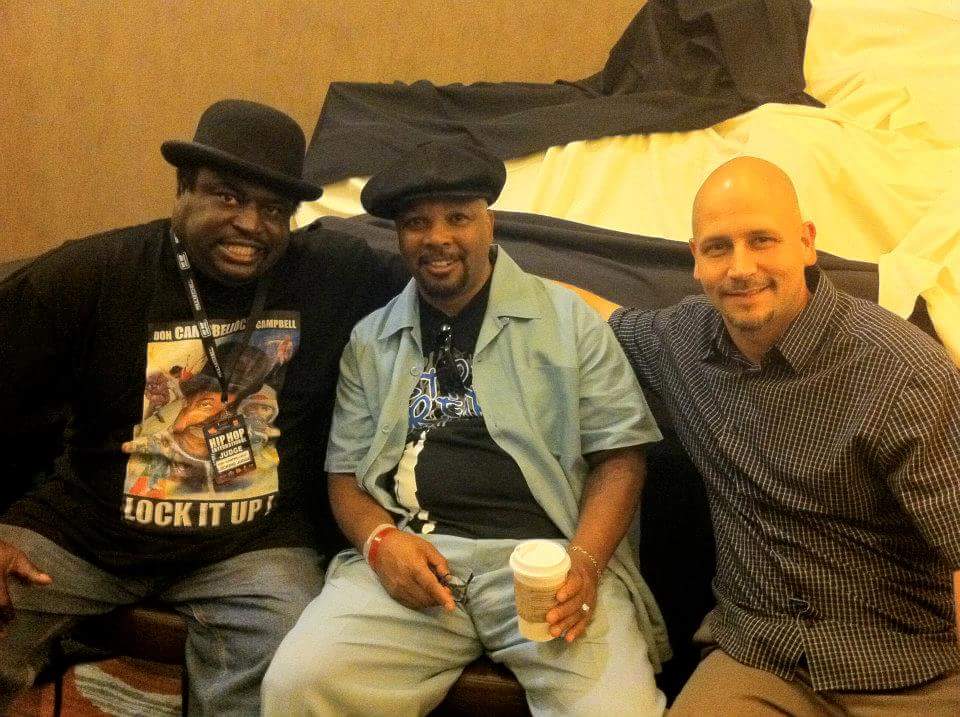
The Legacy Keeper
Look what they did
Tony GoGo once publicly thanked Skeeter for opening LockerLegends, bringing dancers together and helping them communicate what their movement was about. That describes his contribution better than almost anything else.
Skeeter could have spent decades saying, “Look what I did.” Instead, much of his work has said, “Look what they did.” Look at the people, the clubs, Watts, the music and the community behind the dance. A culture survives not only because people create it. It also survives because someone cares enough to remember.